
Forum Replies Created
-
AuthorPosts
-
12 August 2026 at 15:44 in reply to: Adding wifi control to my Beogram RX2… sanity check my approach? #124953
 BRONZE Member
That demo video is impressive! I share your love of upcycling. With how disposable everything’s gotten, I’ve come to really enjoy vintage electronics… even at 30 or 40 years old, most of them still have plenty of life left. Some were built better than their modern equivalents. Others less so, but they’re still a pleasure to use.
I also went down a rabbit hole on your other YouTube projects, and those speakers are insane. Very jealous. 🙂
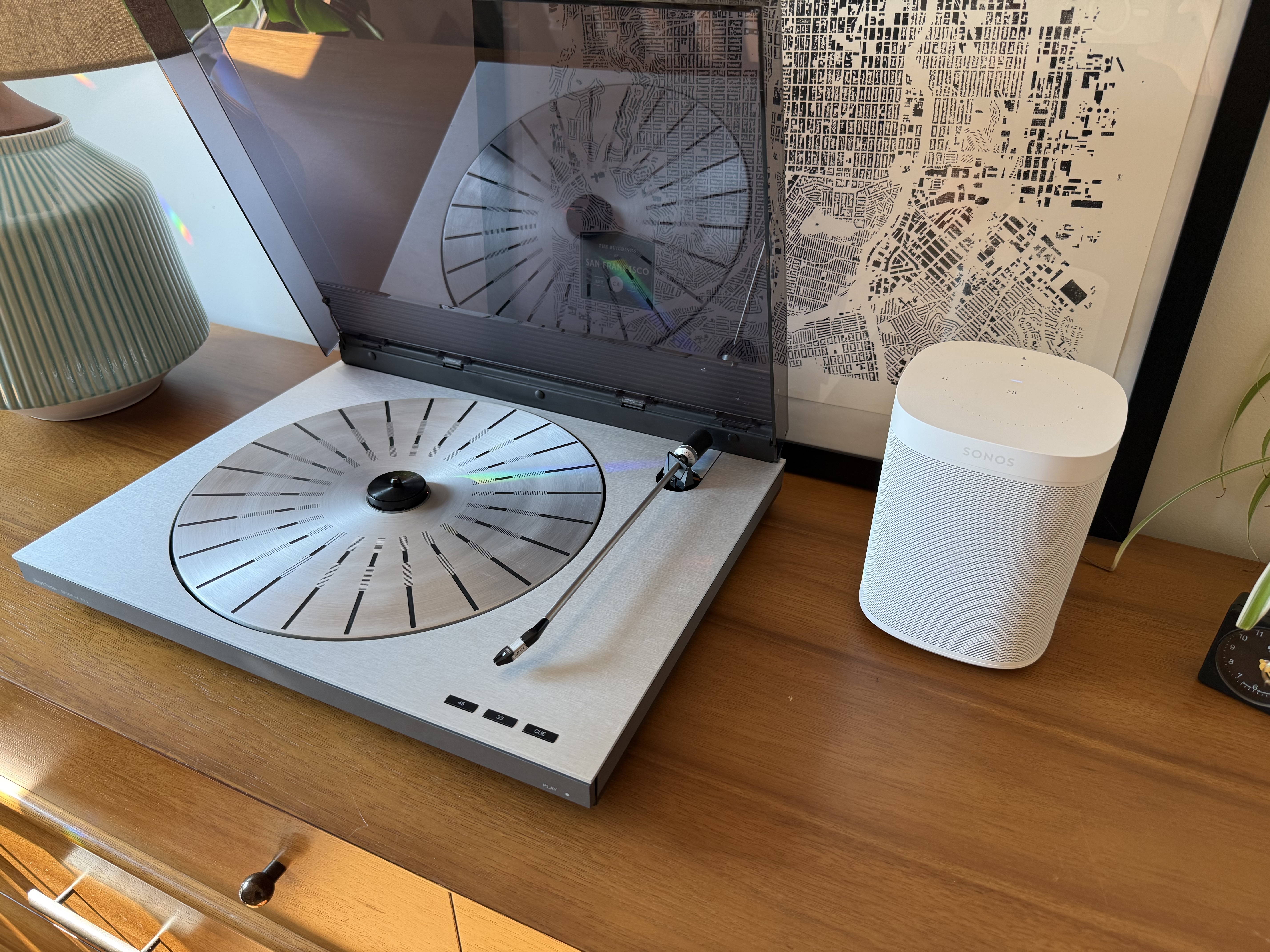
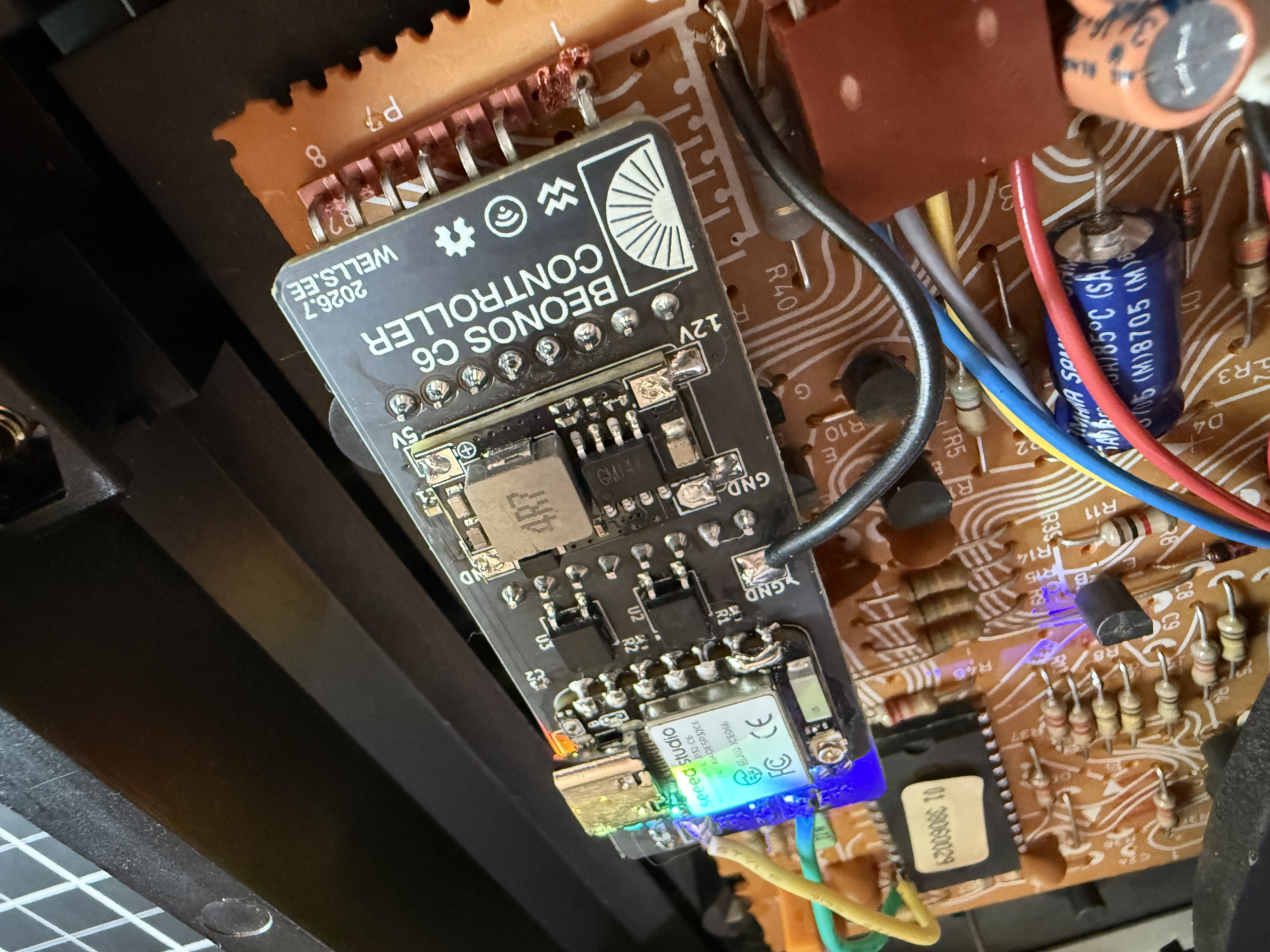
9 August 2026 at 17:55 in reply to: Adding wifi control to my Beogram RX2… sanity check my approach? #124917Thanks all for the input! I’ve put together my first working prototype and it seems pretty solid so far! What’s working:
- Send play/pause/stop commands from Sonos and Home Assistant to the custom PCB
- State tracking (isPlaying, isPaused, isOnOff) from the turntable (regardless of how it was controlled, what the current status is)
- Power is coming in via 12v from the “keyboard” (stepped down to 5v via a small buck converter)
WiFi signal seems fine, which is surprising considering the wifi antenna is right underneath the aluminum top plate. I had to redesign my PCB slightly due to clearance issues, but for now I just slightly bent one of the capacitors on the main board and it fits okay.
I recorded a video of my build, and I uploaded my custom PCB file and ESPHome firmware to this github project. There’s a link there to PCBway if you want to order one of your own—it’s still kind of amazing to me that you can buy one-off custom circuit boards from China so inexpensively!
 30 July 2026 at 20:54 in reply to: Adding wifi control to my Beogram RX2… sanity check my approach? #124761
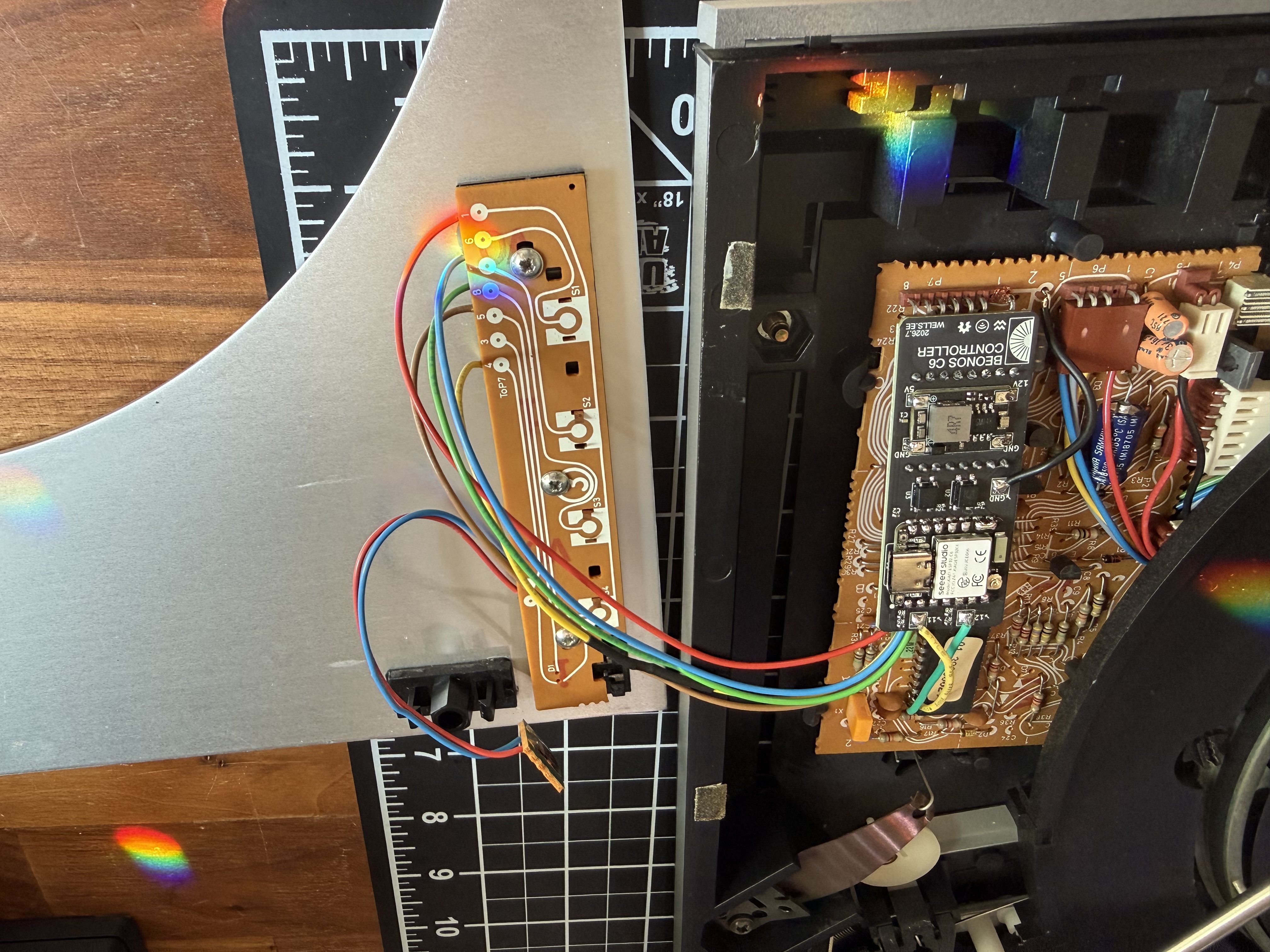
Good point. I’m thinking the original buttons should pass through the custom PCB passively, so the OEM function would be unchanged with the board installed.
Since the keyboard just bridges pin 1 of the keyboard to the corresponding button’s sense pin on the processor, I’m using opto-isolators (kind of like mini relays) to simulate the button presses. None of the 5V GPIO output would then leak through to the processor’s input.
On the sense side I’m tapping pin 11 and 12 on the COP410 to sense whether the turntable is in the on/off state or play/pause state. I need to step down the 5v output from the COP410 to 3.3v (or so) with a voltage divider + filter cap so I don’t stress the ESP32.
-
AuthorPosts